
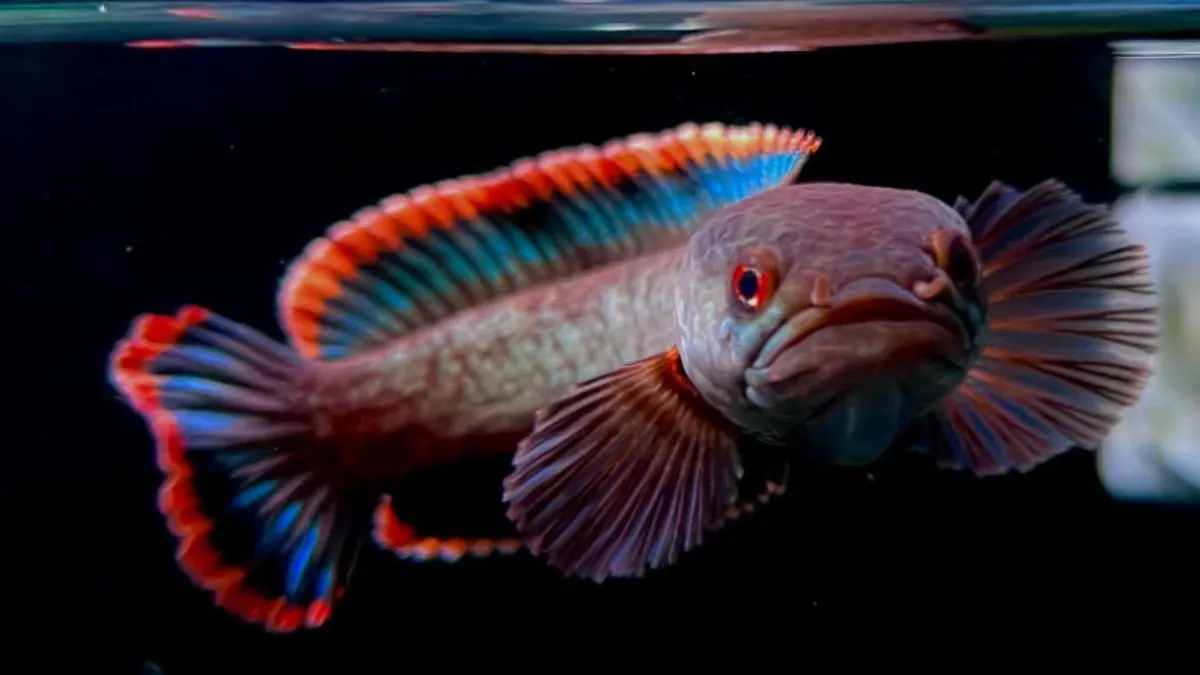
Channa Fish: Origin, Species, and Complete Care Guide
Channa fish, commonly known as snakeheads, are among the most fascinating and intelligent freshwater fish in the aquarium hobby. Native to Asia and parts of Africa, these predatory fish have captivated aquarists with their unique behavior, stunning colors, and remarkable adaptability. However, their aggressive nature and specific care requirements make them suitable only for experienced fishkeepers who understand their needs.
This comprehensive guide covers everything you need to know about Channa fish—from their natural habitat and evolution to tank setup, feeding, breeding, and common health issues.
1. Origin and Natural Habitat of Channa Fish
Channa fish belong to the family Channidae and are native to freshwater environments across Asia, including India, Southeast Asia, China, and parts of Africa. They thrive in a variety of habitats, from slow-moving rivers and streams to swamps, ponds, and even rice paddies. Learn more about their biology on Wikipedia.
Evolution and Adaptations
Snakeheads are ancient fish that have evolved over millions of years. Their most remarkable adaptation is their suprabranchial organ, a primitive lung-like structure that allows them to breathe atmospheric air. This enables them to survive in low-oxygen waters and even move across land for short distances.
Distribution and Popular Species
There are over 50 recognized species of Channa, with new species still being discovered. Some of the most popular species in the aquarium trade include:
- Channa micropeltes (Giant Snakehead) – Native to Southeast Asia; can grow up to 1 meter in length.
- Channa aurantipectoralis (Orange-spotted Snakehead) – Found in India and Sri Lanka; known for its vibrant orange spots.
- Channa bleheri (Rainbow Snakehead) – Native to India; prized for its iridescent colors and relatively small size.
- Channa andrao (Dwarf Snakehead) – A small species from India, ideal for nano tanks.
- Channa striata (Striped Snakehead) – Widespread across Asia; hardy and adaptable.
- Channa asiatica (Chinese Snakehead) – Found in China and Taiwan; known for its peaceful temperament.
Interested in adding a Channa to your aquarium? Browse our catalog to see available species.
2. Tank Setup: Creating the Ideal Environment
Minimum Tank Size
Channa fish are active swimmers and require spacious tanks. The minimum tank size depends on the species:
- Dwarf species (e.g., Channa andrao): 20 gallons (75 liters)
- Medium species (e.g., Channa bleheri): 40 gallons (150 liters)
- Large species (e.g., Channa micropeltes): 100+ gallons (380+ liters)
Water Parameters
- Temperature: 72–82°F (22–28°C) depending on the species
- pH: 6.0–7.5
- Hardness: Soft to moderately hard (5–15 dGH)
- Ammonia & Nitrite: 0 ppm
- Nitrate: Below 20 ppm
- Water Changes: Perform 20–30% weekly water changes to maintain pristine water quality.
Substrate and Decorations
- Substrate: Sand or fine gravel works best. Many species enjoy digging, so avoid sharp edges.
- Plants: Use hardy plants like Java fern, Anubias, and Vallisneria. Channa often uproot plants, so secure them well.
- Hiding Places: Provide caves, driftwood, rocks, and PVC pipes. Channa are territorial and need places to hide and establish their territory.
- Lighting: Moderate lighting is sufficient. Some species prefer dimly lit environments.
Filtration and Water Flow
Channa fish are sensitive to poor water quality, so efficient filtration is crucial. Use a canister filter or a powerful hang-on-back filter. Water flow should be gentle to moderate—strong currents can stress these fish.
3. Feeding: A Predator's Diet
What Do Channa Fish Eat?
Channa are carnivorous predators that feed on insects, small fish, crustaceans, and even amphibians in the wild. In captivity, you should provide a varied diet rich in protein:
- Staple Foods: High-quality pellets and frozen foods like bloodworms, brine shrimp, and krill.
- Live Foods: Feeder fish (guppies, goldfish, minnows), crickets, earthworms, and mealworms.
- Occasional Treats: Shrimp, mussels, and fish fillets.
Feeding Schedule
Feed your Channa once a day for adults and 2–3 times a day for juveniles. Give only as much food as they can consume in 2–3 minutes. Overfeeding can lead to obesity, bloating, and poor water quality.
Important Note on Live Food
While live food is exciting to watch, it can introduce diseases. If you feed live fish, quarantine them first. Alternatively, use frozen or freeze-dried alternatives for safety.
4. Tank Mates: Who Can Live with a Channa?
Channa fish are territorial and often aggressive, especially toward their own species. However, with careful planning, they can coexist with certain tank mates.
Good Tank Mates
- Large, fast-swimming fish that are too big to be eaten (e.g., large barbs, pacus, or catfish).
- Bottom dwellers like plecos or loaches that stay out of the Channa's territory.
- Other Channa species (only in very large tanks with plenty of hiding spots and if they are introduced together as juveniles).
Tank Mates to Avoid
- Small fish (e.g., tetras, guppies, neon tetras) – they will be eaten.
- Other Channa (if introduced later or in insufficient space) – they will fight to the death.
- Slow-moving fish with long fins (e.g., angelfish) – they may be nipped or stressed.
The Golden Rule
Know your species. Some Channa are more aggressive than others. Always research the specific species you plan to keep and provide a spacious tank with plenty of hiding spots.
5. Common Channa Diseases and Treatment
Fin Rot
- Symptoms: Frayed, discolored, or ragged fins
- Causes: Poor water quality, stress, or bacterial infection
- Treatment: Improve water quality, add aquarium salt, and treat with antibacterial medication if necessary.
Ich (White Spot Disease)
- Symptoms: White spots on the body and fins, scratching against objects
- Treatment: Raise temperature gradually and use ich medication.
Fungal Infections
- Symptoms: Cotton-like growth on the body or fins
- Treatment: Improve water quality, add antifungal medication, and consider using aquarium salt.
Parasites
- Symptoms: Weight loss, lethargy, abnormal swimming behavior
- Treatment: Use anti-parasitic medication (praziquantel or levamisole).
Prevention is the Best Medicine
- Maintain excellent water quality with regular water changes.
- Quarantine all new fish before adding them to the tank.
- Feed a varied, high-quality diet to boost immunity.
- Avoid overcrowding and provide adequate hiding spaces.
6. Breeding Channa Fish: A Beginner's Guide
Breeding Channa fish can be challenging but rewarding. Most species are mouthbrooders or bubble nest builders.
Step 1: Choose a Breeding Pair
- Select healthy, mature adults (usually 12–18 months old).
- Ensure they are well-fed and free from any signs of disease.
Step 2: Set Up a Breeding Tank
- Tank size: 20–40 gallons, depending on the species
- Water level: Shallow (6–10 inches) to encourage breeding behavior
- Temperature: 78–82°F (26–28°C)
- Hiding spots: Provide caves, plants, or flowerpots for the female.
- Filtration: Use a sponge filter to avoid sucking up eggs or fry.
Step 3: Introduce the Pair
- Introduce the male and female to the breeding tank at the same time.
- Monitor closely for aggression. If the male becomes too aggressive, separate them and try again later.
Step 4: Spawning and Parental Care
- Depending on the species, Channa may be mouthbrooders (the female carries eggs in her mouth) or bubble nest builders (the male builds a nest at the water surface).
- After spawning, the parent(s) will guard the eggs and fry.
Step 5: Fry Care
- Once the fry are free-swimming, remove the adult(s) to prevent them from eating the young.
- Feed the fry with infusoria or liquid fry food, then gradually introduce baby brine shrimp.
- Maintain excellent water quality with frequent small water changes.
7. Frequently Asked Questions (FAQ)
Q: How big do Channa fish get?
A: It depends on the species. Dwarf species like Channa andrao grow to about 4–5 inches, while giant snakeheads like Channa micropeltes can reach over 3 feet in length.
Q: Are Channa fish aggressive?
A: Yes, most Channa species are territorial and can be aggressive, especially toward their own kind. They are best kept alone or with large, fast-swimming tank mates.
Q: Can Channa fish breathe air?
A: Yes, Channa fish have a suprabranchial organ that allows them to breathe atmospheric air. This adaptation helps them survive in low-oxygen waters.
Q: What do Channa fish eat?
A: They are carnivorous predators that feed on insects, small fish, crustaceans, and worms. In captivity, they accept pellets, frozen foods, and live foods.
Q: Can I keep two Channa together?
A: Only if you have a very large tank with plenty of hiding spaces and if they are introduced as juveniles. Even then, there is a risk of aggression. It is generally safer to keep them alone.
Conclusion
Channa fish are truly extraordinary creatures that bring excitement and personality to any aquarium. Their prehistoric appearance, intelligent behavior, and adaptability make them a favorite among experienced fishkeepers. However, they require careful attention to their specific needs—spacious tanks, pristine water quality, a high-protein diet, and plenty of hiding spots.
If you are prepared to meet these demands, keeping Channa fish can be an incredibly rewarding experience. Whether you choose a small dwarf species or a majestic giant snakehead, these fish will never fail to captivate you with their unique behaviors and striking beauty.
Ready to start your Channa journey? Check out our catalog for available species and start building your dream aquarium today!