
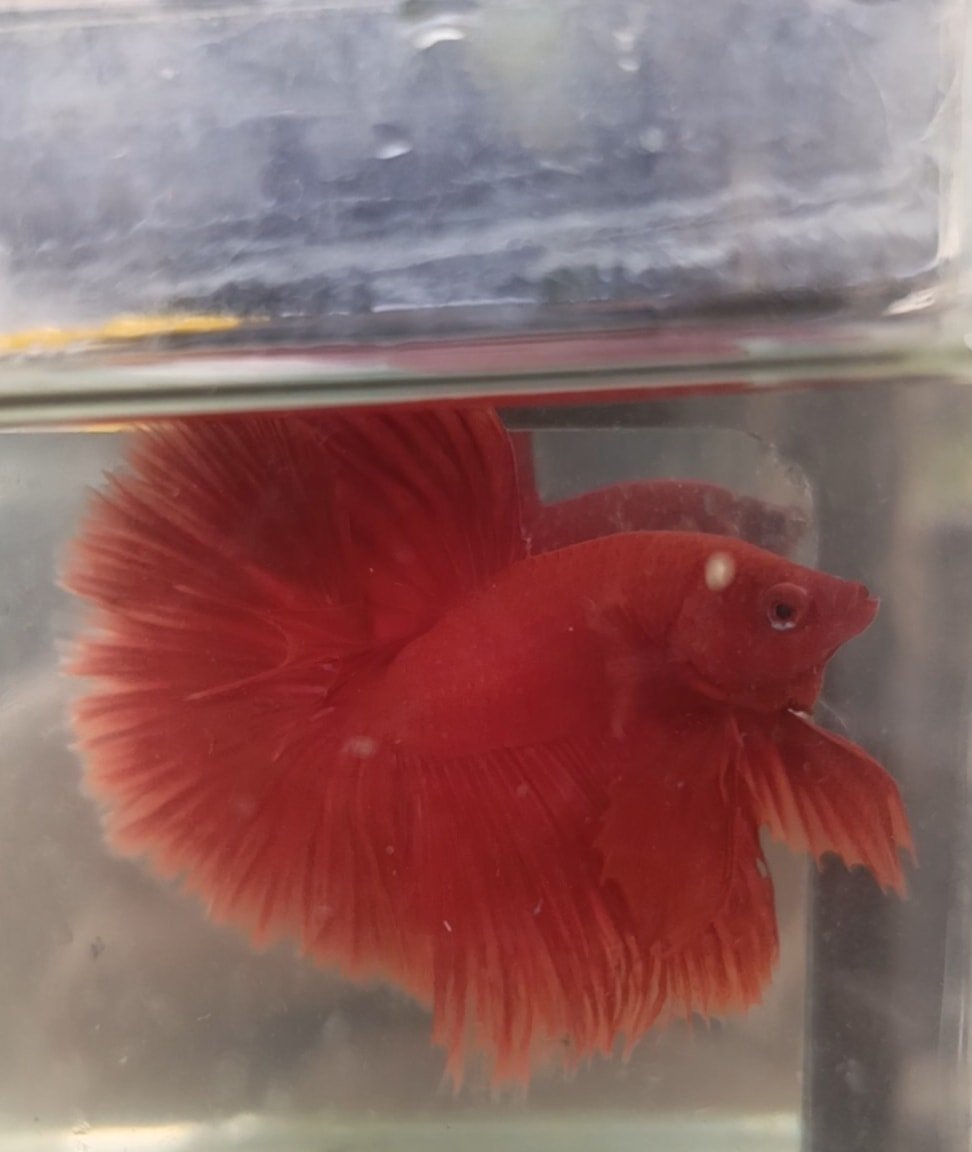
Betta fish, also known as Siamese fighting fish, are among the most popular freshwater aquarium fish in the world. Their vibrant colors, flowing fins, and fascinating personalities make them a favorite for both beginners and experienced aquarists. However, despite their popularity, many bettas live in suboptimal conditions, leading to stress, illness, and shortened lifespans.
This comprehensive guide covers everything you need to know about betta fish care—from proper tank setup and feeding to health management and breeding basics.
1. Tank Setup: The Foundation of a Healthy Betta
Minimum Tank Size: 5 Gallons
One of the most common misconceptions is that bettas can thrive in small bowls or vases. This is false. Bettas require a minimum tank size of 5 gallons to provide adequate swimming space and stable water parameters.
Water Temperature: 76–82°F (24–28°C)
Bettas are tropical fish and need consistently warm water. Invest in a reliable aquarium heater to maintain a temperature between 76°F and 82°F. Sudden temperature fluctuations are a leading cause of stress and disease.
Filtration: Gentle is Key
Bettas prefer calm water with minimal current. Choose a sponge filter or a hang-on-back filter with an adjustable flow rate. Strong currents can exhaust your betta and make it difficult for them to swim.
Substrate and Decorations
- Substrate: Gravel or sand works well. Dark substrates often make bettas' colors pop.
- Plants: Use live plants (like Java fern or Anubias) or silk plants (not plastic) to provide hiding spots and reduce stress.
- Hiding Places: Add caves, driftwood, or coconut huts to give your betta places to explore and retreat.
Water Parameters
- Ammonia & Nitrite: 0 ppm
- Nitrate: Below 20 ppm
- pH: 6.5–7.5
- Water Changes: Perform 20–25% weekly water changes to maintain water quality.
2. Feeding: A Balanced Diet for a Vibrant Betta
What Do Bettas Eat?
Bettas are carnivores and require a protein-rich diet. In the wild, they feed on insects and larvae. In captivity, you should offer a varied diet:
- High-quality betta pellets (primary food)
- Frozen or live foods: Bloodworms, brine shrimp, daphnia (treats, 2–3 times a week)
- Vegetable matter: Occasionally, small amounts of blanched peas (for digestion)
Feeding Schedule
Feed your betta small amounts once or twice a day. Only give as much food as they can consume in 1–2 minutes. Overfeeding can lead to obesity, constipation, and poor water quality.
3. Tank Mates: Who Can Live with a Betta?
Betta fish have a reputation for aggression, especially males. However, with careful planning, they can coexist with other peaceful species.
Good Tank Mates
- Corydoras catfish (bottom dwellers)
- Kuhli loaches (bottom dwellers)
- Neon tetras (in groups, mid-water swimmers)
- Ember tetras (small, peaceful)
- Nerite snails (algae eaters)
- Cherry shrimp (in heavily planted tanks)
Tank Mates to Avoid
- Other male bettas (will fight)
- Fish with long, flowing fins (guppies, angelfish) – bettas may mistake them for rivals
- Fin-nipping species (tiger barbs, some tetras)
The Golden Rule
Always have a backup plan. Have a spare tank ready in case your betta shows aggression toward tank mates.
4. Common Betta Fish Diseases and Treatment
Fin Rot
- Symptoms: Frayed, discolored, or ragged fins
- Causes: Poor water quality, stress, bacterial infection
- Treatment: Improve water quality; use aquarium salt or antibacterial medication
Ich (White Spot Disease)
- Symptoms: White spots on the body and fins, scratching against objects
- Treatment: Raise temperature gradually and use ich medication
Dropsy
- Symptoms: Swollen body, scales sticking out like a pinecone, lethargy
- Prognosis: Often fatal; early detection is critical
Swim Bladder Disease
- Symptoms: Difficulty swimming, floating upside down, sinking to the bottom
- Treatment: Fast your betta for 2–3 days, then feed a blanched pea
Prevention is the Best Medicine
- Maintain excellent water quality
- Quarantine new fish before introducing them to the main tank
- Feed a varied, high-quality diet
5. Breeding Betta Fish: A Beginner's Guide
Breeding bettas is a rewarding but challenging process that requires preparation and patience.
Step 1: Select Healthy Breeders
- Choose fish that are 5–8 months old and in excellent health
- Look for vibrant colors, active behavior, and no signs of disease
Step 2: Condition the Breeders
- Feed high-protein foods (live or frozen bloodworms) for 1–2 weeks
Step 3: Set Up a Breeding Tank
- Tank size: 5–10 gallons
- Water level: 6–8 inches deep
- Temperature: 80–82°F
- Hiding spots: Provide plants or a breeding cone for the female
Step 4: Introduce the Pair
- Place the female in a clear container inside the tank to allow the male to see her
- After 1–2 days, release the female and monitor for aggression
Step 5: Bubble Nest and Spawning
- Males build bubble nests at the water surface
- Spawning occurs under the nest, and the male will care for the eggs
Step 6: Remove the Female
- After spawning, remove the female to prevent her from eating the eggs
Step 7: Fry Care
- The male will guard the eggs and fry
- Once fry are free-swimming (3–5 days), remove the male
- Feed infusoria or liquid fry food, then baby brine shrimp
6. FAQ: Quick Answers to Common Questions
Q: How long do betta fish live?
A: With proper care, bettas typically live 2–5 years.
Q: Can bettas live in bowls?
A: No. Bowls are too small, lack filtration, and make temperature control difficult.
Q: How often should I feed my betta?
A: Once or twice a day with small portions.
Q: Do bettas need a filter?
A: Yes. A gentle filter is essential for maintaining water quality.
Q: Can male and female bettas live together?
A: Only during breeding, and even then, only for a short period. Males are territorial and will attack females outside of spawning.
Conclusion
Betta fish are stunning, intelligent, and full of personality. By providing them with a proper tank setup, a balanced diet, and attentive care, you can ensure they live a long, healthy, and vibrant life. Whether you are a first-time fishkeeper or an experienced aquarist, the key to success lies in understanding your betta's needs and creating an environment where they can thrive.